

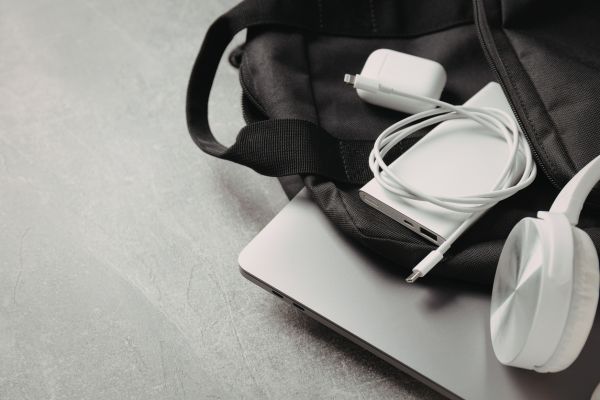
Somewhere between juggling laptops, chargers, headphones, notebooks, and the occasional half-forgotten snack, the modern backpack quietly became one of the most important pieces of gear we own. Whether you’re commuting to an office, working remotely from cafés, or navigating airport terminals, the best tech backpacks are no longer just about carrying things—they’re about making daily movement smoother, safer, and a little less chaotic.
Unlike traditional backpacks, tech backpacks are designed around devices first. But the best ones don’t scream “tech gear inside.” They blend protection, organization, and comfort into something that still feels appropriate in a meeting room or on a train platform. Choosing the right one is less about trends and more about understanding how your days actually unfold.
Why Tech Backpacks Became Everyday Essentials
It didn’t happen overnight, but it feels inevitable in hindsight. As laptops grew thinner and work became more mobile, the old messenger bag and generic backpack started to feel inadequate. Devices are expensive, fragile, and oddly shaped, and carrying them safely requires more thought than a single padded sleeve.
The rise of hybrid work pushed this further. People now move between home offices, coworking spaces, client meetings, and travel days without changing bags. A tech backpack had to handle all of it—protect a laptop, organize accessories, stay comfortable for long walks, and still look appropriate in professional settings. That mix of demands explains why the category exploded and why the conversation around the best tech backpacks has become surprisingly nuanced.
What Actually Makes a Backpack “Tech-Friendly”
The phrase “tech backpack” gets used loosely, but not every backpack with a laptop pocket truly qualifies. Real tech-focused designs start with device protection. A suspended or well-padded laptop compartment isn’t just marketing language—it keeps your computer from taking the full impact when you set the bag down harder than intended.
Beyond the laptop, organization plays a quiet but critical role. Chargers, power banks, mice, cables, and adapters have a way of tangling themselves into useless knots unless they’re given clear, separate spaces. The best tech backpacks anticipate this without overcomplicating things. They guide you into staying organized rather than forcing you into a rigid system.
Then there’s accessibility. Digging through layers of fabric to find a charger in a crowded airport is the kind of small frustration that ruins a good bag. Smart pocket placement, quick-access sections, and intuitive layouts make a real difference over time.
Comfort Matters More Than You Expect
It’s easy to underestimate comfort when shopping online, but it becomes obvious the first time you wear a poorly designed backpack for an entire day. Tech gear is heavier than it looks, especially when you add a laptop, tablet, water bottle, and accessories. Without proper weight distribution, that load turns into shoulder strain surprisingly fast.
The best tech backpacks prioritize ergonomics. Padded shoulder straps, breathable back panels, and subtle structure in the bag’s frame help distribute weight evenly. Some designs add sternum straps or reinforced panels, which may sound excessive until you’ve walked a mile with a fully loaded bag. Comfort isn’t a luxury feature here—it’s what makes the backpack usable day after day.
Design That Fits Both Offices and Airports
One of the trickiest balances tech backpacks strike is visual. They need to look professional without feeling stiff, modern without looking like a gadget catalog exploded. Overly aggressive branding or futuristic shapes can feel out of place in work environments, while overly minimalist designs sometimes sacrifice functionality.
The most successful designs tend to be understated. Neutral colors, clean lines, and durable fabrics create bags that transition easily from work meetings to travel days. These backpacks don’t try to impress at first glance. Instead, they reveal their thoughtfulness through use—quietly efficient, never flashy.
Travel-Friendly Features That Actually Help
When work and travel overlap, certain backpack features suddenly matter a lot. A luggage pass-through sleeve, for example, sounds minor until you’re sprinting through an airport with a rolling suitcase. Suddenly, it feels essential.
Security-conscious travelers also appreciate discreet anti-theft features, hidden pockets, or lockable zippers. These aren’t about paranoia; they’re about peace of mind in crowded spaces. The best tech backpacks integrate these features subtly, without turning the bag into a fortress.
Weather resistance is another quiet hero. A sudden downpour doesn’t care about your laptop warranty. Water-resistant fabrics and sealed zippers can mean the difference between a stressful moment and a non-event.
Minimalists vs. Maximalists in Backpack Design
Not everyone wants the same relationship with organization. Some people thrive with clearly defined compartments for every device and cable. Others prefer open space and flexibility, trusting themselves to manage the chaos. The best tech backpacks tend to acknowledge this divide.
Minimalist designs focus on a strong laptop compartment, a few well-placed pockets, and lots of adaptable space. Maximalist designs lean into detailed layouts, with dedicated sleeves and elastic loops for nearly everything. Neither approach is inherently better. The right choice depends on how you think and move throughout your day.
What matters is that the bag doesn’t fight your habits. A backpack that forces you to change how you pack usually ends up being ignored, no matter how well it’s reviewed.
Durability as a Long-Term Investment
Tech backpacks aren’t just about convenience—they’re about protecting valuable equipment over time. Cheap materials and weak stitching might look fine at first, but they show their flaws quickly under daily use. Zippers fail, seams stretch, and padding compresses until it no longer protects anything.
The best tech backpacks feel solid without being heavy. High-quality fabrics, reinforced stress points, and thoughtful construction create bags that age well. They soften slightly, mold to your routine, and develop character rather than falling apart. In a world where many products are designed to be replaced quickly, a durable backpack quietly resists that cycle.
How Personal Routine Shapes the “Best” Choice
There’s no single backpack that works for everyone, and that’s often overlooked in discussions about the best tech backpacks. A software developer commuting by bike has different needs than a consultant flying weekly or a student balancing classes and part-time work.
Your routine should drive your choice. Think about how long you wear the backpack each day, how much tech you carry, and where you typically use it. The best backpack is the one that disappears into your routine, handling its job so smoothly that you stop thinking about it altogether.
The Emotional Side of a Good Backpack
It might sound dramatic, but a well-designed backpack can subtly improve daily life. There’s something reassuring about knowing everything has its place, that your laptop is safe, and that your shoulders won’t ache by the afternoon. These small comforts add up.
Over time, a tech backpack becomes a quiet companion. It travels with you through workdays, deadlines, trips, and transitions. The best ones don’t demand attention—they earn trust.
A Thoughtful Way to Carry Modern Life
Choosing among the best tech backpacks isn’t about chasing features or following trends. It’s about understanding how you move through your days and finding a bag that supports that movement rather than complicating it. The right backpack feels intuitive, balanced, and quietly capable.
As work and travel continue to blend, tech backpacks will keep evolving. But the core idea remains the same: protect what matters, stay comfortable, and move through the world with a little more ease. When a backpack does that well, it stops being just another accessory and becomes part of how you live and work.