

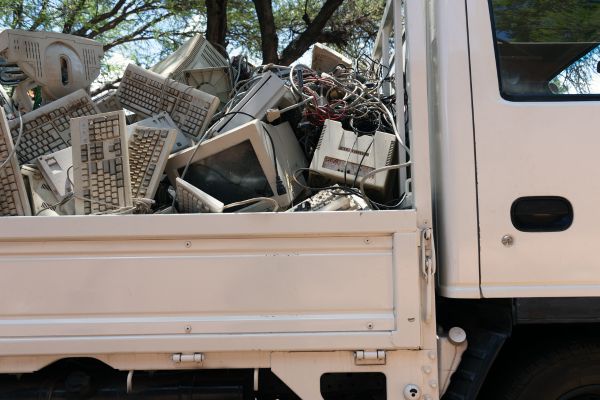
The world’s relationship with technology has changed dramatically over the last two decades. Phones are replaced every few years, laptops become outdated faster than ever, and smart devices quietly pile up in drawers long after they stop working. Behind this rapid innovation sits a growing environmental challenge that many countries are only beginning to fully understand. Mountains of discarded electronics are now one of the fastest-growing waste streams on the planet, pushing governments, manufacturers, and consumers to rethink how products are designed, reused, and recycled.
That shift has sparked a wave of innovation in recycling and e-waste management trends. What once felt like a niche environmental concern is now becoming a major part of global sustainability discussions. From AI-powered sorting facilities to urban mining operations that recover precious metals from old electronics, the industry is evolving quickly. The conversation is no longer just about reducing waste. It is about creating a smarter, more circular economy where materials stay in use for as long as possible.
Why E-Waste Has Become a Global Concern
Electronic waste, commonly called e-waste, includes discarded phones, computers, televisions, batteries, appliances, and countless other devices. The challenge with these products is not only their sheer volume but also their complexity. Many contain toxic substances like mercury, lead, and cadmium, while others hold valuable materials such as gold, silver, copper, and rare earth elements.
In the past, much of this waste ended up in landfills or was shipped overseas for low-cost processing. Informal recycling systems often exposed workers and nearby communities to dangerous chemicals and pollution. Images of burning wires and dismantled electronics scattered across open dumping grounds became symbolic of the darker side of the tech boom.
Today, governments and environmental organizations are placing greater pressure on industries to handle electronic waste responsibly. Consumers are also becoming more aware of the environmental footprint tied to constant upgrades and disposable technology culture.
The Rise of Circular Economy Thinking
One of the biggest shifts shaping recycling and e-waste management trends is the move toward a circular economy. Unlike the traditional “take, make, dispose” model, circular systems focus on extending product life through repair, refurbishment, reuse, and recycling.
This mindset is influencing how electronics are manufactured. More companies are experimenting with modular designs that allow batteries, screens, or internal components to be replaced instead of forcing consumers to buy entirely new devices. Repairability is becoming part of sustainability discussions in ways that were rarely seen a decade ago.
In some regions, “right to repair” legislation has started gaining momentum. These laws encourage manufacturers to provide spare parts and repair information so products can remain usable for longer periods. The goal is simple: fewer discarded devices and less pressure on raw material extraction.
The idea sounds straightforward, but it represents a major cultural shift. For years, technology was marketed around constant replacement. Now longevity itself is beginning to carry value.
Smart Recycling Facilities Are Changing the Industry
Traditional recycling centers relied heavily on manual labor to separate materials. While human expertise is still essential, newer facilities increasingly use robotics, artificial intelligence, and automated recognition systems to improve efficiency and accuracy.
Advanced sensors can now identify different plastics, metals, and electronic components at remarkable speeds. Some systems use machine learning to distinguish between reusable parts and damaged materials, helping facilities recover more valuable resources from discarded electronics.
These innovations matter because e-waste is incredibly complex. A single smartphone contains dozens of materials packed into a compact design. Recovering them efficiently requires precision.
Automation is also reducing contamination rates. When recyclable materials are separated correctly, they become far more useful for manufacturing new products. That means less dependence on mining and fewer environmental impacts tied to raw material extraction.
In many ways, modern recycling plants are starting to resemble high-tech laboratories rather than industrial dumping sites.
Urban Mining Is Becoming More Valuable
Mining usually brings images of massive excavation sites and heavy machinery tearing into the earth. But some experts now describe discarded electronics as “urban mines” because of the valuable materials hidden inside them.
Old smartphones, circuit boards, and computer components contain tiny amounts of precious metals that can be recovered and reused. When millions of devices are processed together, those small quantities become significant.
Urban mining is becoming increasingly important as demand grows for rare earth materials used in renewable energy systems, electric vehicles, and advanced electronics. Extracting these resources from existing waste streams can reduce pressure on natural ecosystems and lower the environmental cost of mining operations.
The economics are changing too. In some cases, recovering gold or copper from electronic waste can be more profitable than extracting it from traditional mines. That reality is attracting investment into new recovery technologies and specialized recycling infrastructure.
It also highlights an uncomfortable truth: many people unknowingly store valuable resources in forgotten drawers full of old electronics.
Battery Recycling Is Entering a New Era
The rise of electric vehicles and renewable energy storage systems has placed enormous attention on battery recycling. Lithium-ion batteries power everything from smartphones to electric cars, but they also create new waste management challenges.
Improper disposal can lead to fires, toxic leaks, and environmental contamination. At the same time, batteries contain critical materials such as lithium, cobalt, and nickel that are increasingly expensive and difficult to source sustainably.
New recycling methods are emerging to address this issue. Some companies are developing chemical recovery systems capable of extracting battery materials at higher purity levels than older mechanical methods allowed. Others are building closed-loop systems where recovered minerals are fed directly back into new battery production.
Governments are watching closely because battery demand is expected to surge for years. Without effective recycling systems, supply shortages and environmental concerns could intensify rapidly.
Battery recycling is no longer viewed as a side issue. It is becoming central to the future of clean energy technology.
Consumer Awareness Is Slowly Improving
For years, many people simply threw away broken electronics without thinking about where they ended up. That attitude is gradually changing.
Public awareness campaigns, school education programs, and sustainability initiatives have helped more consumers understand the importance of responsible disposal. Collection drives for old electronics are becoming more common, and some retailers now offer take-back programs for used devices.
Even so, convenience remains a major challenge. Many households still keep old gadgets because recycling systems feel confusing or inaccessible. People worry about personal data stored on devices, while others simply do not know where local recycling centers exist.
As recycling and e-waste management trends continue evolving, accessibility may become just as important as technology itself. The easier it becomes for consumers to return old electronics safely, the more effective the overall system will be.
Behavioral change rarely happens overnight, but awareness is moving in the right direction.
Developing Countries Face Unique Challenges
While wealthier nations often dominate sustainability headlines, many developing countries continue facing serious e-waste management struggles. Informal recycling sectors remain widespread in some regions because they provide income opportunities for thousands of workers.
Unfortunately, unsafe dismantling methods can expose people to harmful chemicals and environmental pollution. Burning wires to recover copper or manually breaking apart electronics without protective equipment creates long-term health risks.
International regulations have attempted to reduce illegal dumping and unsafe export practices, but enforcement varies significantly. Some countries are now investing in formal recycling systems and worker protections, though progress can be uneven.
The global nature of electronics manufacturing means solutions cannot rely on one country alone. Effective e-waste management requires international cooperation, stronger regulations, and shared responsibility across supply chains.
Sustainable Design Is Influencing Product Development
Another major development shaping recycling and e-waste management trends is the growing emphasis on sustainable product design. Instead of treating recycling as an afterthought, manufacturers are increasingly considering end-of-life disposal during the design process itself.
Some electronics companies are experimenting with biodegradable packaging, recycled plastics, and fewer mixed materials that complicate recycling. Others are trying to make products easier to disassemble so valuable components can be recovered more efficiently.
Software support is becoming part of the sustainability conversation too. Devices often become obsolete not because the hardware fails, but because updates stop arriving. Longer software support cycles can extend product life and reduce unnecessary waste.
These changes may seem incremental, but collectively they signal a broader shift toward environmental accountability within the technology industry.
The Future of E-Waste Management Looks More Integrated
The future of electronic waste management will likely involve a blend of policy, technology, consumer participation, and corporate responsibility. Recycling alone cannot solve the problem if devices continue being produced and discarded at unsustainable rates.
More cities are beginning to integrate smart waste systems that track material flows digitally. Artificial intelligence may eventually help predict recycling patterns and improve collection efficiency. Blockchain technology is even being explored to trace electronic components throughout their entire lifecycle.
At the same time, younger generations appear more conscious of sustainability than previous ones. Repair culture, secondhand electronics markets, and refurbished device programs are becoming increasingly normalized.
None of these trends eliminate the challenges completely, but together they suggest a growing willingness to rethink how society consumes technology.
Conclusion
The conversation surrounding recycling and e-waste management trends has evolved far beyond simple waste disposal. It now touches manufacturing, energy systems, resource security, public health, and consumer culture all at once. As technology becomes even more embedded in everyday life, the need for smarter and more sustainable waste management will only grow stronger.
What makes this moment particularly interesting is that innovation is finally starting to catch up with the scale of the problem. Automated recycling systems, urban mining, sustainable product design, and advanced battery recovery methods are transforming an industry that once operated largely behind the scenes.
There is still a long road ahead. Electronic waste volumes continue rising, and many regions lack adequate infrastructure. Yet the shift toward circular thinking offers something that felt missing for years: a realistic path forward. Instead of viewing old electronics as useless trash, societies are slowly beginning to recognize them as valuable resources waiting to be recovered, reused, and reintegrated into the technologies of tomorrow.