

Why Mobile Esports Feels Bigger in 2026
The conversation around mobile esports games 2026 is no longer about whether phones can support serious competition. That argument is finished. The better question now is which games have built the most convincing competitive worlds around fast matches, regional rivalries, sharp spectator value, and players who can make a small touchscreen look like a full command center.
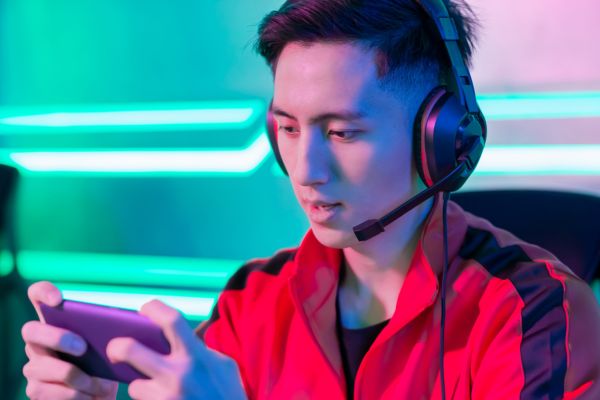
Mobile esports has a different rhythm from PC and console competition. Matches are often shorter, the audience is more global, and the barrier to entry is lower. A teenager with a decent phone can start grinding ranked after school and, in some regions, realistically dream of joining an organized circuit. That accessibility is what gives mobile esports its strange electricity. It feels close to the audience, even when the biggest finals are happening under arena lights.
Mobile Legends: Bang Bang Remains the Crowd Magnet
Mobile Legends: Bang Bang continues to sit near the center of mobile esports in 2026, especially across Southeast Asia, where the game’s competitive culture is loud, emotional, and deeply rooted. It is easy to understand why. MLBB is quick to watch, easy enough to follow at a basic level, and full of sudden turning points. A team can look finished, then steal one Lord fight and turn the whole match around.
Its 2026 presence is also strengthened by international competition. Mobile Legends: Bang Bang was announced as part of the Esports Nations Cup 2026, with 32 national teams expected to compete in Riyadh during November, giving the game another major country-versus-country stage beyond its usual club ecosystem. That matters because national formats often attract casual viewers who may not follow every pro league but still understand the pull of a flag, a rivalry, and a grand final.
Honor of Kings Is Pushing for Global Attention
Honor of Kings has long been enormous in China, but 2026 feels like a year where its international esports identity is becoming harder to ignore. The game has the polished team-fight drama of a top-tier mobile MOBA, with enough tactical depth to reward dedicated viewers and enough visual clarity to keep newcomers from feeling completely lost.
Its inclusion in the Esports Nations Cup 2026 gives it a bigger global frame, with 24 teams scheduled for competition in late November. For a game still building broader recognition outside its strongest territories, this kind of stage is important. It lets audiences compare regions directly, see different playstyles collide, and understand why Honor of Kings has such staying power.
The best thing about watching Honor of Kings is how cleanly momentum can move. A single rotation, a missed engage, or a well-timed objective call can change the mood of a match in seconds. That makes it one of the most watchable mobile esports games in 2026, especially for fans who enjoy MOBAs but want a slightly different flavor from MLBB.
PUBG Mobile Still Owns Battle Royale Tension
PUBG Mobile remains one of the defining mobile esports titles because it understands pressure. A great PUBG Mobile match does not need constant action to stay interesting. Sometimes the tension is in the silence, in the slow movement across open ground, in a squad holding its breath while another team rotates past.
In 2026, PUBG Mobile continues to benefit from a wide regional base and a recognizable battle royale structure. It is also part of the Esports Nations Cup 2026 lineup, where 32 teams are set to compete in Riyadh in November. That kind of national-team format fits PUBG Mobile well because battle royale already feels like survival under pressure. Add national pride, and every late-circle decision becomes heavier.
What keeps PUBG Mobile compelling is that it rewards both mechanical skill and restraint. The best teams know when to fight, but more importantly, they know when not to. For viewers, that creates a layered experience. You are not just watching aim. You are watching patience, positioning, risk calculation, and panic management.
Free Fire Keeps Its Fast, Regional Firepower
Free Fire has always had a slightly different energy from PUBG Mobile. It is faster, more direct, and often more explosive. The game’s esports scene thrives in regions where mobile-first gaming is not a side category but the main event. Brazil, Southeast Asia, South Asia, and Latin America have helped give Free Fire a personality that feels proudly local and intensely competitive.
Garena’s 2026 esports roadmap expanded the Free Fire World Series Global Finals from 18 to 24 teams, with Bangkok set to host the global finals in November. The roadmap also confirmed Free Fire’s return to the Esports World Cup 2026 in Riyadh. That expansion is a good sign for viewers because more regions usually means more styles, more upset potential, and more unfamiliar teams getting a real chance.
Free Fire’s appeal is not about slow tactical buildup. It is about speed, confidence, and the ability to survive chaos. Some matches feel almost too quick until you realize how much decision-making is packed into every rotation and fight.
Call of Duty: Mobile Brings Structure and Familiar Intensity
Call of Duty: Mobile remains one of the strongest options for viewers who like traditional shooter esports but want the pace and accessibility of mobile play. It carries familiar modes, recognizable gunplay, and a competitive format that feels closer to classic FPS esports than most mobile titles.
The 2026 Call of Duty: Mobile World Championship returned with a refreshed structure, beginning through in-game qualifiers before moving into seasonal splits, regional competition, and world finals qualification. That structure matters because mobile esports can sometimes feel scattered when tournaments are disconnected. COD Mobile’s championship path gives teams a clearer long-term story.
As a spectator game, COD Mobile is at its best when the stakes are simple and immediate. Hold the point. Break the setup. Win the search round. Survive the final push. It does not ask viewers to study for an hour before enjoying a match, and that directness is part of its strength.
Brawl Stars Is the Sleeper Spectator Favorite
Brawl Stars may not always dominate the loudest esports conversations, but it remains one of the easiest mobile games to actually enjoy watching. Matches are short, characters are readable, and the objective-based modes create instant drama. You can tune in halfway through and still understand the pressure almost immediately.
The Brawl Stars Championship in 2026 includes monthly competition, the Brawl Cup, a Last Chance Qualifier, and World Finals planned for November, with Supercell listing total tournament prizing of $2 million across the 2026 season events. The format gives the scene a steady rhythm, which is exactly what a mobile esport needs to keep casual viewers returning.
Its biggest advantage is clarity. In a world where some esports can look overwhelming to new fans, Brawl Stars feels readable without being shallow. That balance is harder to achieve than it looks.
What Makes a Mobile Esport Worth Watching
The best mobile esports games in 2026 are not only popular games with tournaments attached. They have rhythm. They have broadcast clarity. They have regional identities. Most importantly, they create moments that viewers can understand emotionally, even before they understand every technical detail.
A great mobile esport needs quick access, but it also needs depth once the viewer starts caring. MLBB and Honor of Kings offer team-fight strategy. PUBG Mobile and Free Fire deliver survival tension in different tempos. COD Mobile gives structured shooter competition. Brawl Stars brings clean, compact chaos. Together, they show how varied mobile esports has become.
Conclusion
Mobile esports in 2026 feels mature without feeling settled. The biggest games now have international calendars, national-team stages, regional leagues, and communities that treat mobile competition with real seriousness. Yet the scene still carries the scrappy energy that made it exciting in the first place.
For viewers, that is the best part. You can watch a polished world championship one week and discover a rising regional team the next. The screen may be small, but the competitive stories are not. As phones keep improving and more regions build stronger pathways for players, mobile esports is likely to become even harder to separate from the wider future of competitive gaming.