

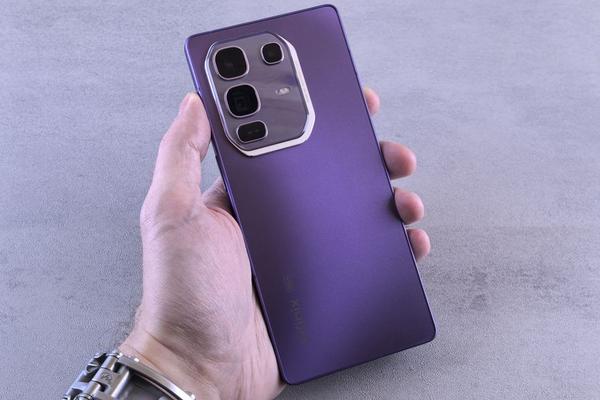
Samsung’s Ultra phones are built for buyers who want nearly every premium feature in one device, and the Galaxy S26 Ultra follows that formula with several practical upgrades. It keeps the large display, integrated S Pen, long-range cameras and top-tier performance, but adds a built-in Privacy Display, brighter camera lenses, faster charging and more proactive Galaxy AI tools.
That makes this Samsung flagship for 2026 easy to admire, but not automatically easy to recommend. In the United States, its $1,299 starting price places it firmly in luxury-phone territory. The real question is whether its camera, battery and AI improvements solve problems you actually have, especially if you already own a recent Ultra.
Design and Galaxy S26 Ultra specs
The Galaxy S26 Ultra has a 6.9-inch QHD+ Dynamic AMOLED 2X display, a built-in S Pen and a thinner, lighter body than the Galaxy S25 Ultra. Samsung lists it at 7.9mm thick and 214g. The rounded frame is comfortable for such a large phone, although the raised camera island remains substantial.
Performance comes from the Snapdragon 8 Elite Gen 5 for Galaxy. The 256GB and 512GB versions include 12GB of RAM, while the 1TB model has 16GB. A redesigned vapor chamber improves heat management during games, video editing and heavy multitasking. Samsung also promises seven generations of operating-system upgrades and seven years of security updates.
The screen is sharp, responsive and easy to read outdoors. Tom’s Guide measured 1,806 nits with HDR content, slightly below the S25 Ultra in the same test. The difference is small head-on, but off-angle visibility is more limited because of the privacy hardware.
Camera test: low-light photography is the real upgrade
The rear system combines a 200MP f/1.4 main camera, a 50MP ultrawide, a 10MP 3x telephoto and a 50MP 5x telephoto. Wider apertures on the main and 5x cameras let in more light, producing cleaner detail and less noise in restaurants, concerts and evening streets.
Daylight photos remain crisp and colorful, with the punchy contrast Galaxy users expect. The 5x telephoto is useful for travel, school events and outdoor sports, while 10x images can retain impressive detail in good light. The 100x Space Zoom mode is still better treated as a specialized spotting tool than a substitute for optical reach.
A practical tip is to leave the camera at its standard resolution for children, pets and other moving subjects. Switch to 200MP mode in strong light when you want extra room to crop a landscape, building or still subject. At indoor events, the 5x camera usually gives a better balance of framing and quality than aggressive digital zoom.
Video benefits from stronger low-light processing and Horizontal Lock, which keeps the horizon level even when the phone rotates. It is genuinely helpful for walking clips, travel footage and active family videos. Samsung’s footage tends to look bright and saturated, while some rivals still deliver more natural color in certain scenes.
Battery life and charging
The 5,000mAh battery is unchanged in capacity, but the Galaxy S26 Ultra uses it more efficiently. In Tom’s Guide’s continuous 5G web-browsing test, it lasted 16 hours and 10 minutes with adaptive refresh enabled. That was nearly two hours longer than the Galaxy S25 Ultra under the same testing method.
Most owners should comfortably finish a demanding day of navigation, photography, messaging and streaming. Lighter users may reach into a second day. Controlled testing suggests Privacy Display has only a modest effect on endurance, so there is little reason to avoid it when sensitive information is on screen.
Wired charging rises from 45W to 60W. Samsung says the phone can reach about 75% in roughly 30 minutes with compatible equipment, while independent testing recorded 77%. Wireless charging reaches 25W, but magnetic alignment still requires a compatible case because magnets are not built into the phone. A charger is not included.
Galaxy AI: more helpful, but still uneven
Privacy Display is the most convincing new feature because it solves a clear everyday problem. It can limit side-angle viewing across the whole screen, activate in selected apps or hide sensitive areas such as notification pop-ups. On a crowded train, you can open a banking app or enter a password while making the content difficult for a nearby passenger to read.
Now Nudge adds context-aware suggestions based on what appears on screen. A lunch invitation may surface a Calendar shortcut, while a request for recent photos may offer a direct route to the Gallery. These actions can reduce repetitive taps, although results are less reliable when messages are vague or an app is unsupported.
Photo Assist is easier to appreciate immediately. Written prompts can remove distractions, rebuild backgrounds or change an image’s look without requiring advanced editing skills. Now Brief surfaces reminders and personalized information, while Gemini-powered app actions aim to complete multi-step tasks across supported services. The weakness is overlap: Galaxy AI, Gemini and Bixby can feel like separate assistants competing for the same job.
Who should buy the Galaxy S26 Ultra?
The Galaxy S26 Ultra is one of the best Android phone options for buyers who value camera flexibility, a large premium display, an S Pen, strong battery life and long software support. It is a meaningful upgrade from the Galaxy S23 Ultra or an older flagship because the improvements in weight, efficiency and low-light photography are easier to notice.
Galaxy S25 Ultra owners should be cautious. Privacy Display, 60W charging and brighter low-light cameras are useful, but the overall experience remains familiar. Unless one of those features solves a specific need, keeping the current phone for another year is likely the better value.
Frequently asked questions
How long does the Galaxy S26 Ultra battery last?
Independent 5G web-browsing testing recorded 16 hours and 10 minutes with adaptive refresh enabled. Real-world results vary, but most users should get a full day comfortably.
Is the Galaxy S26 Ultra camera better than the S25 Ultra camera?
Yes, especially in low light. Wider apertures on the main and 5x telephoto cameras produce brighter images and video with cleaner detail, while zoom remains a major strength.
Does the Galaxy S26 Ultra support fast charging?
Yes. It supports 60W wired charging and up to 25W wireless charging. The fastest wired speed requires a compatible charger and cable.
Should Galaxy S25 Ultra owners upgrade?
Most should wait unless they specifically want Privacy Display, faster charging or improved night photography. Owners of older Galaxy models will see a more substantial change.
Final verdict
The Galaxy S26 Ultra is not a radical redesign, but it is a carefully refined premium phone. Its low-light camera is more dependable, battery life is stronger, charging is quicker and Privacy Display offers a benefit that is easy to understand.
The price remains high, the camera bump is bulky and the AI experience still needs simplification. Even so, few Android phones combine this level of camera range, productivity, endurance and software support. For US buyers seeking Samsung’s most complete flagship, the Galaxy S26 Ultra belongs near the top of the 2026 market.