

A camera advertises 30x zoom, while another promises 120x. The second sounds more powerful, but those numbers can describe very different things. In an optical vs digital zoom comparison, what matters is not simply how large a subject looks on screen. It is how much real detail the camera captures. That distinction matters when photographing a distant bird, recording a school performance or choosing a travel camera.
Optical vs Digital Zoom: The Essential Difference
Optical zoom changes a lens’s focal length, making a distant subject fill more of the sensor. Digital zoom uses a smaller part of an image and enlarges it electronically. Both make a subject appear closer, but only optical zoom changes the magnification of the image projected by the lens.
Under comparable conditions, optical zoom usually delivers better detail at the same framing. Digital zoom remains convenient for quick sharing and video composition, but it cannot recover fine textures that the camera never recorded.
What Optical Zoom Actually Means
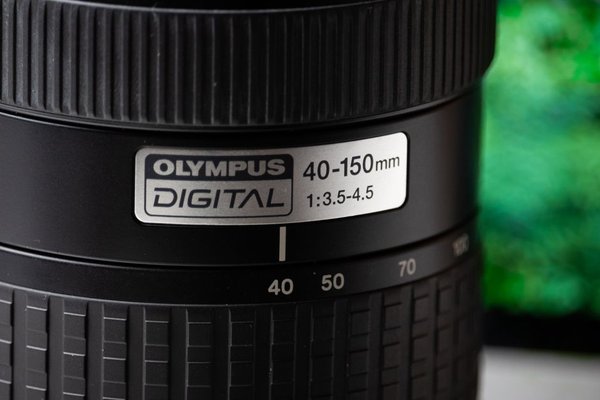
The optical zoom meaning is simple: moving lens elements changes focal length and angle of view. A 24–120mm lens moves from a wide scene at 24mm to a tighter view at 120mm. It has a 5x optical zoom ratio because 120 divided by 24 equals five.
Throughout that range, the camera can use the sensor’s full intended image area. Still, optical zoom does not guarantee perfect sharpness. Lens design, aperture, focus accuracy, camera movement and haze can all affect the result.
A bigger multiplier is not necessarily a longer-reaching lens. A 10x zoom starting at 24mm reaches 240mm, while a 5x zoom starting at 100mm reaches 500mm. For distant wildlife, the second lens offers greater telephoto reach despite its smaller zoom ratio.
How Digital Zoom Works—and Where Detail Goes
The digital zoom meaning is best understood as cropping. Imagine taking a photograph, selecting its centre and enlarging that selection to fill the frame. Digital zoom performs a similar operation during capture or processing, sometimes adding sharpening or interpolation.
Consider a 20-megapixel sensor. A 2x digital zoom that crops by two in both dimensions uses roughly five megapixels of real information. A 4x crop uses about 1.25 megapixels before enlargement. The saved image might still have 20 million pixels, but that does not restore missing scene detail.
This loss is easiest to spot in feathers, lettering, hair and brickwork. A moderate digital crop may look fine on a small screen, yet become visibly softer in a large print or second crop.
Which Camera Zoom Type Gives Better Image Quality?
For still photographs
Optical reach generally wins when you need fine detail. It places more genuine subject information on the sensor rather than spreading fewer pixels over a large output. This helps with wildlife, sports and distant signs.
Digital zoom is not automatically unusable. A high-resolution sensor may support a modest crop in bright light, and computational processing can make the result look cleaner. However, convincing sharpness is not the same as newly captured detail.
For video recording
Video complicates the comparison because recording resolution can be lower than the sensor’s full photographic resolution. Some cameras crop a high-resolution sensor while retaining enough information for detailed 1080p or 4K output. The useful range depends on the recording mode.
Heavy digital zoom magnifies visible shake and may exaggerate focus errors. Long optical focal lengths also demand a stable shooting position. Good stabilization often matters more than squeezing out one final step of magnification.
What About Hybrid Zoom on Smartphones?
Hybrid zoom combines optical options, cropping and software processing. A smartphone may switch between separate cameras with different fixed focal lengths, then crop between or beyond them. A few phones use variable optical telephoto designs, but not every zoom button indicates moving lens elements.
Claims of “lossless” or “optical-quality” zoom depend on the output resolution and shooting conditions. Cropping a high-resolution sensor can work exceptionally well for a smaller finished image, but it does not magically create extra optical reach.
For related context, camera sensor size explained helps show why some cameras tolerate cropping better than others.
A Practical Test Before You Buy
Imagine filming a performer from the back of an auditorium. Camera A has 10x optical zoom and 40x combined zoom; Camera B offers 30x optical zoom. Assuming comparable starting focal lengths and other capabilities, Camera B may frame the performer using much more optical reach. Camera A’s final enlargement could smear facial details.
Try photographing a distant sign at a camera’s maximum optical zoom, then again at its maximum digital setting. Compare both images at the same display size, especially the edges of letters. Repeat indoors if possible. This reveals more about practical zoom image quality than the largest number printed on the box.
Reading Zoom Specifications Without Getting Misled
Check the focal-length range, preferably in 35mm-equivalent terms, along with the optical zoom limit. A claim of 100x total zoom may combine a shorter optical range with extensive software enlargement.
Match the lens to what you photograph. Landscape and travel shooting benefit from a genuinely wide starting focal length. Birds and outdoor sport demand telephoto reach. Indoor concerts also require adequate low-light performance, steady framing and reliable autofocus.
Image stabilization at long focal lengths is a useful related subject: shake can spoil a shot even when the lens provides plenty of true magnification. Understanding focal lengths for different photography styles also makes comparisons more meaningful.
Frequently Asked Questions
Is optical zoom always better than digital zoom?
Optical zoom generally retains more captured detail for an equally framed subject. A poor lens or shaky shot can still lose to a carefully processed crop from a better camera, so the complete system matters.
Is digital zoom the same as cropping afterward?
The principle is similar: both select a smaller image area. In-camera zoom may use extra processing or sensor-specific methods. Saving the wider original usually gives you more flexibility to reframe later.
Does 4x optical zoom mean the subject is four times closer?
No. It means the longest focal length is four times the shortest. That ratio says nothing by itself about the lens’s absolute telephoto reach or physical distance to the subject.
Should I disable digital zoom?
Disable it if detail and later editing flexibility are your priorities. Keep it available when quick framing or a video mode benefits from a small, acceptable crop.
Which Zoom Should You Choose?
Optical vs digital zoom is ultimately a choice between genuine lens reach and electronic enlargement. For sharp distant subjects, prioritize a suitable optical focal-length range, strong image samples and stabilization. Treat digital zoom as a useful convenience with limits, not as a substitute for a longer lens.